Autocar is reporting that the Lexus GS-F is on deck for 2013 and will be powered by the LFA’s V10:
Lexus engineers are working on reducing the engine’s capacity by around 200cc to 4.6 litres and power to 450bhp. The idea is to improve low-range torque, although even with the reduced power output the GS-F will become the most powerful road-going Japanese saloon ever built.
The GS-F will be fitted with Toyota’s first torque vectoring differential. Similar to the diff used on BMW’s M cars and the likes of the X6 SUV, the ‘torque split unit’ actively apportions drive between the rear wheels to aid handling. A similar system is also expected to be fitted to the new SC.
The GS F has been long rumored, and at the Detroit Auto Show, even Lexus representatives were whispering about the possibility. The timeframe seems reasonable, and it wouldn’t surprise me to hear that Toyota was working on torque vectoring technology.
Also mentioned in the article is the next-generation SC:
The new SC will be unveiled in mid-2014, although the current car is due to finish production this July, leaving a four-year gap between the two cars. However, the next model will be a hybrid, powered by a 5.0-litre V8 and an electric motor driving the rear wheels only.
Can’t see the SC going on a four-year hiatus, even if it’s dependant on GS-F technology. That would be a long time for Lexus to go without a true sports coupe.
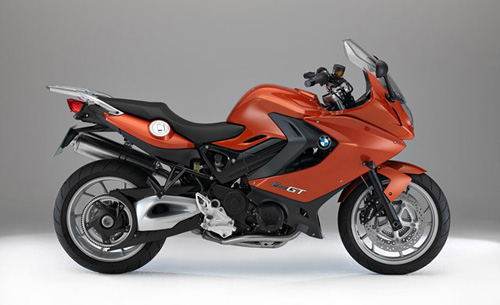
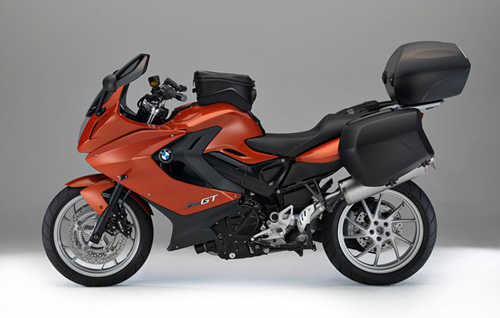
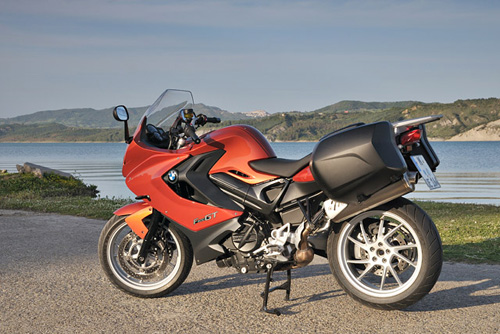
The middle class sports tourer is modern and dynamic. F 800 GT 2013 by BMW.
BMW F 800 GT BMW jazzes up his middle-class sport tourer and not only creates something Funkionales but also dynamic.
At the International Motorcycle Show in Milan, BMW presents the successor to the F 800 ST a new Sports Tourer, which is the famous water-cooled two-cylinder engine powered with 798 cm3, which is also active in models such as the F 800 GS and the F 800 R is. A revised engine calibration helps the unit to an extra service. It now provides substantial 66 kW / 90 PS (F 800 ST: 62.5 kW (85 hp) at 8000 min-1 in conjunction with the maintenance-free secondary drive via toothed belt, the new F 800 GT over an even more adept at driving..
In addition, provide an improved ergonomics, the new full fairing with optimum wind and weather protection and a more practical luggage fairer system (accessory) and an increased payload. The conditions for a full-blown "Gran Tourismo" machine Within the meaning of the good BMW principle "safety 360 °" the new F 800 GT is also equipped with ABS as standard, because that will soon be mandatory anyway. With an optimized suspension and optional systems such as the automatic stability control ASC (Automatic Stability Control) and the Electronic Suspension Adjustment ESA (Electronic Suspension Adjustment) the new BMW F 800 GT sets in this segment, good stuff.
With their external values, it has at least convinced us already. The basis of the dynamic design language of the S 1000 RR we have included in the editorial very positive. As part of this design technical reorientation do wish we would have a sharper headlight assembly.
BMW F800 GT Image Gallery
The features at a glance
More power 66 kW (90 hp) at 8000 min-1 (F 800 ST: 62.5 kW (85 hp) at 8000 min-1).
Redesigned fairing in dynamic design and improved wind and weather protection. New colors.
BMW Motorrad ABS is now standard on the latest generation.
Automatic stability control ASC (Automatic Stability Control)
Electronic Suspension Adjustment ESA (Electronic Suspension Adjustment) (optional).
Convenient adjustment of the spring base on handwheel
Suspension optimization for more stability and comfort.
Adapted ergonomics for more touring comfort
Improved seating comfort for rider and passenger.
New handlebar switch units
New vibration-isolated and butted aluminum handlebar.
Cockpit with new dials for the speedometer and tachometer and expanded scope of information.
By 11 to 207 kg now increased payload.
New exhaust system with optimized heel protection.
Flashing lights, smoke.
Power reduction to 35 kW (48 hp) (optional / optional).
Specifications BMW F 800 GT Engine Type : two-cylinder series Displacement : 798 cc Bore x stroke : 82 mm x 75.6 mm Compression Ratio : 12: 1 Rated output : 66 kW (90 hp) at 8000 r.p.m Maximum torque : 86 Nm at 5800 r.p.m Maximum speed: > 200 km / h Starting : Electric
Undercarriage Frame type : aluminum bridge frame Dimensions : (L x W) 2,156 mm x 905 mm Wheelbase : 1514 mm Trailing : 94.6 mm Seat height : 800 mm (720 mm to 845 mm) Weight : 213 Front brakes : Hydraulically actuated double disc brake, Ø 320 mm Rear : Hydraulic operated disc, Ø 265 mm Front tire size : 120/70 - ZR 17 M / C Rear: 180/55 - ZR 17 M / C
 it wouldn’t surprise me to hear that Toyota was working on torque vectoring technology.